
Are Braces the Right Orthodontic Path for You?
Choosing to straighten your teeth is a significant decision—one that can influence not only your smile, but also your confidence, oral health, and long-term comfort. With so many modern orthodontic options available, it’s natural to wonder whether traditional braces are truly the right path for you. While braces have been around for decades, they’ve evolved into more efficient, discreet, and comfortable systems. Still, they’re not the perfect fit for everyone. Understanding what braces can do, what they can’t do, and how they compare to other orthodontic treatments will help you make a well-informed decision.
What Braces Can Address Effectively
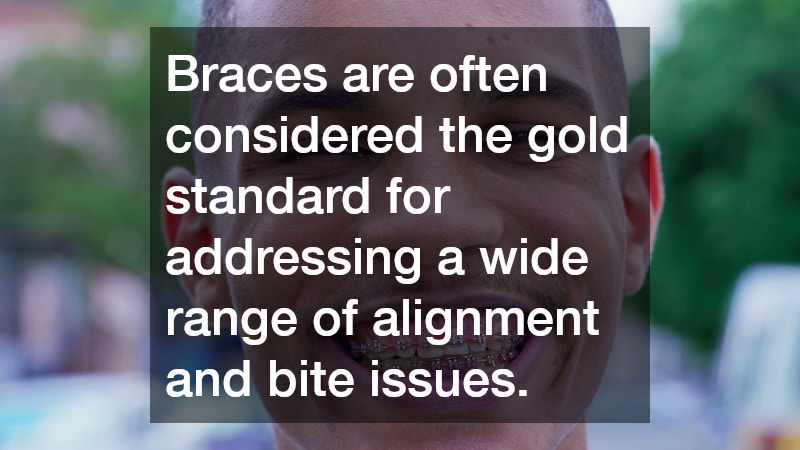
Braces are often considered the gold standard for addressing a wide range of alignment and bite issues. Because they apply steady, controlled pressure on the teeth, they can correct complex concerns that other systems, like clear aligners, may struggle with.
Some conditions braces are especially effective for include:
-
Severe crowding or spacing
When teeth overlap significantly or leave large gaps, braces can move them into proper alignment with great precision. -
Overbites, underbites, crossbites, and open bites
These bite issues often require more detailed control over tooth and jaw positioning—something braces are particularly good at addressing. -
Rotated or impacted teeth
The brackets and wires give orthodontists an advantage in moving teeth that need more advanced manipulation.
If you’ve been told you have a more complicated orthodontic case, there’s a good chance braces may be your most effective route.
Types of Braces to Consider
Many people imagine large metal brackets when they think of braces, but modern orthodontics offers multiple styles:
-
Traditional metal braces
They remain the most durable and cost-effective option. Today’s versions are sleeker and smaller than those of past decades. -
Ceramic braces
These blend with natural tooth color, making them far less noticeable. They work as effectively as metal braces but may be more prone to staining or breakage. -
Lingual braces
Attached to the back of the teeth rather than the front, lingual braces are virtually invisible. They can be more uncomfortable at first and sometimes cost more due to their customization. -
Self-ligating braces
These use special clips instead of elastic bands, which can reduce friction and sometimes shorten treatment time.
Your orthodontist can help you compare these types and choose the system that fits your needs, lifestyle, and budget.
How Braces Compare to Clear Aligners
Clear aligners like Invisalign® have become extremely popular because they are nearly invisible and removable. However, they’re not always the ideal choice.
Braces may be better if you:
-
Have severe bite issues
-
Lack discipline to keep aligners in for 20–22 hours daily
-
Want a treatment that doesn’t rely on personal compliance
-
Need more predictable tooth movement
Aligners may be better if you:
-
Have mild to moderate alignment issues
-
Want a discreet treatment option
-
Prefer removing your orthodontic appliance during meals
-
Have sensitivity to certain metals
In many cases, an orthodontic evaluation will reveal that both options are possible, but one may simply be more efficient or cost-effective.
Daily Life with Braces
Braces require an adjustment period, but most patients grow accustomed to them within a few weeks. You may notice temporary soreness after adjustments as your teeth shift. Certain foods—like sticky candies, popcorn, or very hard items—should be avoided to prevent damage to wires or brackets.
Oral hygiene is especially important. Brushing and flossing around brackets can take extra time, but neglecting this step may lead to staining or cavities. Many patients use special flossers or water-flossing devices to make cleaning easier.
The reward for this extra care is a healthy, well-aligned smile that can last a lifetime with proper maintenance.
Are Braces the Right Path for You? Key Questions to Consider
As you weigh your options, ask yourself:
-
What are my primary concerns—cosmetic, functional, or both?
-
How complex are my alignment or bite issues?
-
Am I willing to commit to regular adjustments and strict oral hygiene?
-
How important is treatment visibility to me?
-
What does my orthodontist recommend based on diagnostic imaging and exam results?
A personalized assessment is essential. No online article can judge the exact condition of your teeth or the complexity of your needs—only a trained professional can.
The Bottom Line
Braces remain one of the most effective, customizable, and reliable orthodontic tools available today. Whether they are the right choice for you depends on your dental goals, lifestyle, and the specific challenges your smile presents. By consulting with an experienced orthodontist, comparing all available treatment options, and considering your priorities, you’ll be well-prepared to choose an orthodontic path that leads to a healthier, more confident smile.
 When to Visit an Emergency Dentist in Springfield MO for Immediate Dental Care
  The Dental Bone Grafting Process Explained
  How to Prepare for Visits to Your Family Dentists
  Everything You Need to Know About Dental Crowns for a Strong, Healthy Smile
  Upgrading Dental Offices: Flooring, HVAC, Doors, and More
  What to Know about the Braces Process
  How to Keep Your Teeth Looking Their Best
  Temporary Crown Fell Off? Here Are Quick Steps to Fix It
 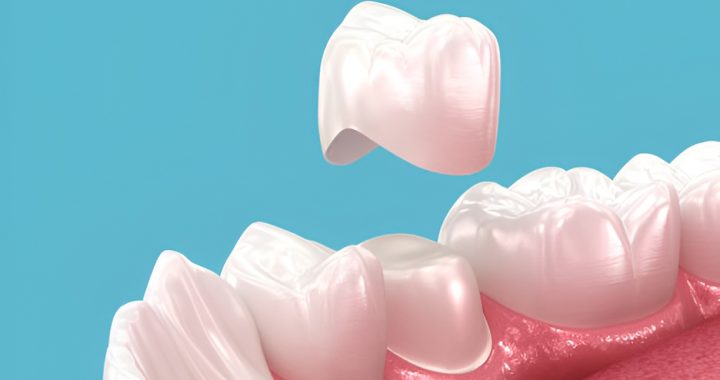 What to Do if Your Crown Falls Out: Guide for Permanent and Temporary Crowns