
How to Choose the Right Sedation Dentist for You
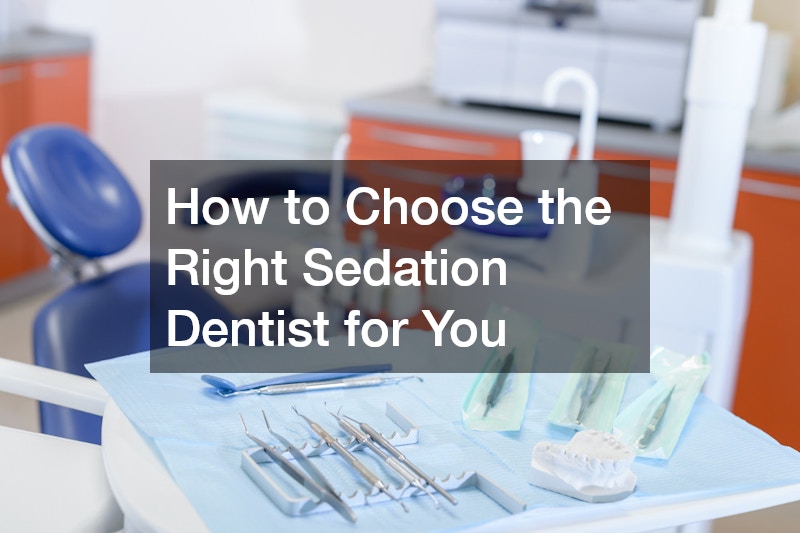
Selecting the right sedation dentist is a critical decision that can significantly impact your dental care experience. For those who experience dental anxiety or require complex procedures, sedation dentistry is essential for comfort and effective treatment.
Not only does sedation dentistry help in alleviating anxiety, but it also enables patients to undergo treatments they might otherwise avoid. Understanding the options available can help patients make informed choices to suit their specific needs.
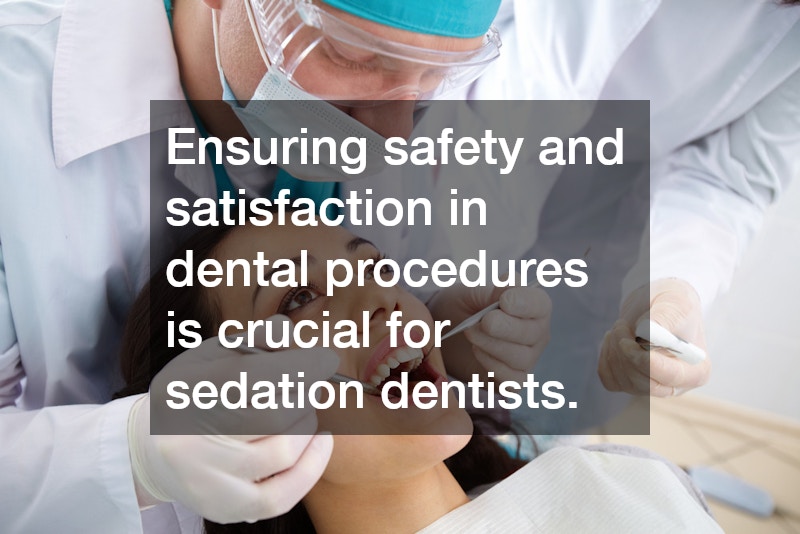
Ensuring safety and satisfaction in dental procedures often relies on the professionalism of the sedation dentist. This article will guide you through the factors to consider when making this important decision.
What Types of Sedation Dentistry Are Available?
Understanding Different Sedation Methods
There are various types of sedation methods available, each with its own set of benefits and drawbacks. Nitrous oxide, commonly known as laughing gas, offers a mild calming effect with quick recovery time.
Oral sedation, which usually involves taking a pill, provides a moderate level of sedation and requires pre-appointment preparation. IV sedation offers a deeper state of sedation and can be adjusted as needed during the procedure.
General anesthesia is reserved for more complex cases and involves a deeper state of unconsciousness, typically monitored by an anesthesiologist. Each of these options plays a unique role in modern dental practice.
Determining the Right Type for Your Needs
Determining the right type of sedation relies on your personal comfort levels and medical history. Assessing your anxiety levels and any previous reactions to sedatives can provide useful insights.
It is crucial to consult with your dentist to discuss any underlying health conditions and your past experiences with anesthesia. Collaborating with your healthcare provider will ensure that your sedation choice is both safe and effective.
Your dentist can guide you towards an option that aligns with your health profile and specific dental needs. This tailored approach helps enhance the overall patient experience.
How to Assess the Credentials of a Sedation Dentist
Verifying Professional Qualifications
To ensure safety and professionalism, it’s vital to verify the sedation dentist’s credentials. Look for certifications in sedation dentistry and confirm their licenses are up-to-date.
Professional organizations such as the American Dental Association often provide directories of qualified practitioners. These resources can be invaluable when researching potential dentists.
Patients should feel confident in their dentist’s qualifications, recognizing the training and standards necessary for competent sedation practice. These steps are crucial for establishing trust and safety in dental care.
Checking Experience and Specialization
Experience and specialization in sedation dentistry can greatly influence the quality of care received. It’s beneficial to inquire about the number of procedures a dentist has performed and any additional training they may have received.
Reading reviews and testimonials from previous patients provides insight into their experiences and satisfaction levels. These personal accounts can be instrumental in gauging a dentist’s expertise and patient care approach.
While credentials establish a foundation of competence, real-world experience equips professionals with the nuanced skills necessary for varying patient needs. Selecting a seasoned expert enhances treatment outcomes.
What Questions Should You Ask During a Consultation?
Discussing Potential Risks and Benefits
During a consultation, it is essential to discuss both the risks and benefits of sedation dentistry with your dentist. This conversation should cover complications or side effects based on your individual health profile.
Understanding these elements ensures that you give informed consent, fully aware of the sedation process and its implications. Moreover, a transparent discussion builds trust and prepares you for the procedure.
Your dentist should also clarify the specific outcomes you can expect from different sedation options. This clarity enables a balanced consideration between sedation benefits against potential risks.
Understanding the Procedure and Aftercare
Another critical aspect of your consultation involves understanding the procedure and the required aftercare. Knowing the steps involved in sedation helps mentally prepare you for the experience.
Discussing post-procedure aftereffects, such as drowsiness or recovery time, ensures you have realistic expectations and can plan accordingly. Ensure that the dentist explains any necessary follow-up care or activities to avoid in the immediate aftermath.
Equipping yourself with this knowledge beforehand can significantly reduce anxiety and improve the overall procedural experience. Empowering patients through information is crucial for effective dental care.
Choosing the right sedation dentist involves understanding sedation options, verifying credentials, assessing experience, and engaging in informative consultations. Each of these steps plays a crucial role in ensuring the safety and effectiveness of your dental care.
By thoroughly evaluating your needs and the available dental care professionals, you can make an informed decision that enhances your comfort and well-being. Ultimately, prioritizing your dental care decisions leads to a more positive experience and contributes to ongoing oral health. Invest the time to research, consult, and choose wisely for your sedation dentistry needs.
 How to Choose the Right Dentist Office for Your Needs
  10 Things Your Office Should Have to Get the Best Dental Reviews
  Tips For Finding The Best Local Family Dental Office
  How to Keep Your Teeth Looking Their Best
  When to Visit an Emergency Dentist in Springfield MO for Immediate Dental Care
 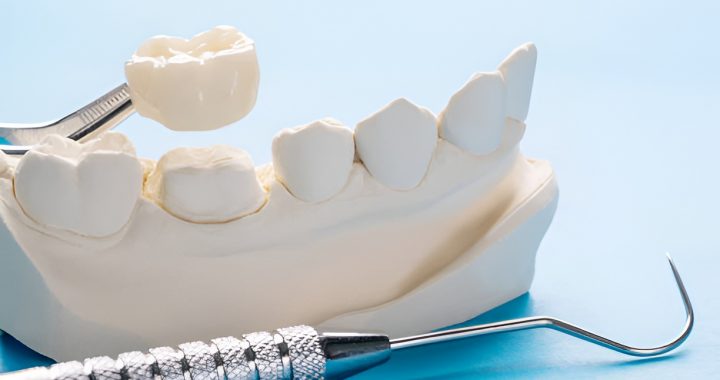 Temporary Crown Fell Off? Here Are Quick Steps to Fix It
  What to Do if Your Crown Falls Out: Guide for Permanent and Temporary Crowns