
Designing Your Dream Smile: A Comprehensive Look at the Best Dental Treatments

Your smile is often the first thing people notice about you. It is a universal language that conveys confidence, warmth, and happiness. But for many, smiling doesn’t come naturally—not because they aren’t happy, but because they feel self-conscious about their teeth.
Whether you are dealing with a chipped tooth from a childhood sports injury, discoloration from years of coffee drinking, or alignment issues that have bothered you for decades, modern dentistry has a solution. The days of painful, purely functional dentistry are behind us. Today, we live in the era of the cosmetic dentist—a professional who blends the precision of medical science with the eye of an artist.
A cosmetic dentist does more than just fix cavities; they are the architects of your smile. They understand that a “dream smile” isn’t just about white teeth; it’s about the harmony between your teeth, your gums, your lips, and your facial structure.
In this comprehensive guide, we will explore the full spectrum of modern dental treatments. From the foundational work of dental fillings to the transformative power of dental implants and veneers, this is your roadmap to understanding how to achieve the smile you’ve always wanted.
I. The Foundation: Restoring Health and Structure
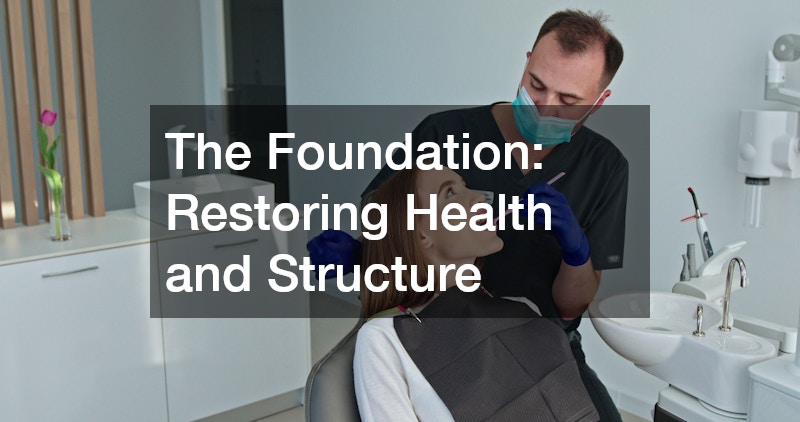
Before we can discuss aesthetics, we must address the foundation. You wouldn’t build a mansion on quicksand, and you cannot build a beautiful smile on unhealthy teeth. Restorative dentistry ensures that your mouth is free of decay and structurally sound.
Dental Fillings: The First Line of Defense
The most common dental procedure remains one of the most important. Dental fillings are used to treat cavities, which are permanently damaged areas in the hard surface of your teeth that develop into tiny openings or holes.
In the past, fillings were synonymous with dark, silver amalgam spots that were visible every time you laughed. While effective, they were aesthetically displeasing. Modern restorative dentistry has evolved significantly. Today, composite resins (tooth-colored fillings) are the standard.
-
The Aesthetic Advantage: These fillings are matched to the exact shade of your natural teeth, making them virtually invisible.
-
The Structural Benefit: Unlike metal fillings, which require the removal of a significant amount of healthy tooth structure to “lock” in place, composite dental fillings bond directly to the tooth. This restores the tooth’s original strength and prevents the fracture risks associated with large metal fillings.
Dental Crowns: The Royal Treatment for Damaged Teeth
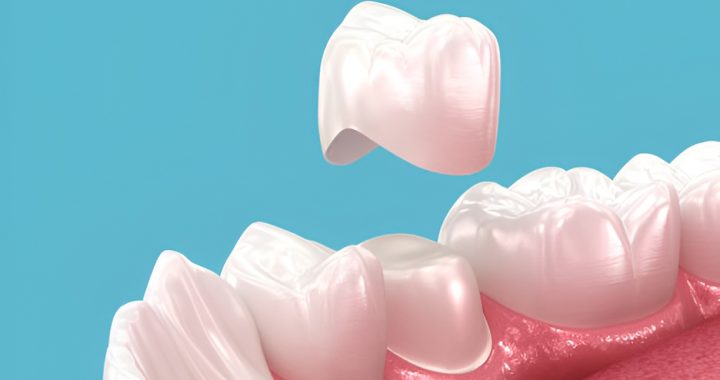
Sometimes, a tooth is too damaged for a simple filling. If a tooth has undergone a root canal, has a large fracture, or has decay that covers more than 50% of the tooth, a filling won’t provide enough structural support. This is where dental crowns come in.
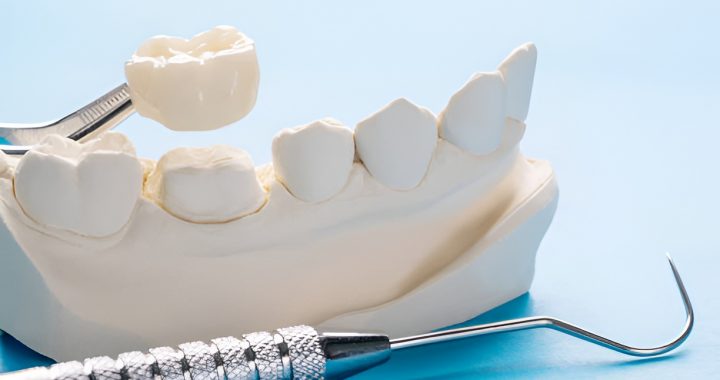
Think of a crown as a custom-made “helmet” or cap that fits over the entire visible part of the tooth. Dental crowns restore the tooth to its original shape, size, strength, and appearance.
-
Materials: While gold is still used for back teeth due to its durability, most patients today opt for porcelain or Zirconia crowns. Zirconia is an incredibly strong ceramic that mimics the translucency of natural enamel.
-
The Process: The damaged tooth is reshaped, a digital or physical impression is taken, and a custom crown is fabricated in a lab. Once cemented, it functions and looks exactly like a natural tooth.
II. The Alignment: Straightening Your Path

Once your teeth are healthy, the next step in smile design is usually alignment. Straight teeth are not just a cosmetic preference; they are a health necessity. Crooked or overcrowded teeth are difficult to clean, leading to higher rates of gum disease and decay.
Braces: The Reliable Classic
When we think of orthodontics, we immediately think of braces. Despite the surge in new technology, traditional braces remain one of the most effective tools in a dentist’s arsenal.
Braces work by using a system of brackets bonded to the teeth and wires that apply continuous, gentle pressure to move teeth into the desired position.
-
Who Needs Them? They are the superior choice for complex cases involving severe overcrowding, rotated teeth, or significant bite issues (malocclusion) that require vertical movement of the teeth.
-
Modern Advancements: The “metal mouth” look is no longer the only option. Ceramic braces function the same way but use tooth-colored or clear brackets, making them much less noticeable.
Invisalign: The Clear Revolution
For adults and teens who want to straighten their teeth without the visual impact of metal brackets, Invisalign has changed the game completely.
Invisalign uses a series of clear, custom-made, removable aligners. You wear each set for about two weeks, and they gradually move your teeth millimeter by millimeter.
-
The Lifestyle Benefit: The biggest advantage of Invisalign is that the aligners are removable. You can take them out to eat, drink, brush, and floss. This means no dietary restrictions and much better oral hygiene compared to traditional braces.
-
The Technology: Using 3D scanning technology (like the iTero scanner), your dentist can map out your entire treatment plan before you even start. You can see a digital simulation of what your finished smile will look like before wearing your first tray.
Which is right for you? If you have complex structural bite issues, braces may be required. If you have mild to moderate spacing or crowding and prioritize aesthetics and comfort, Invisalign is likely the perfect fit.
III. The Reconstruction: Replacing Missing Teeth
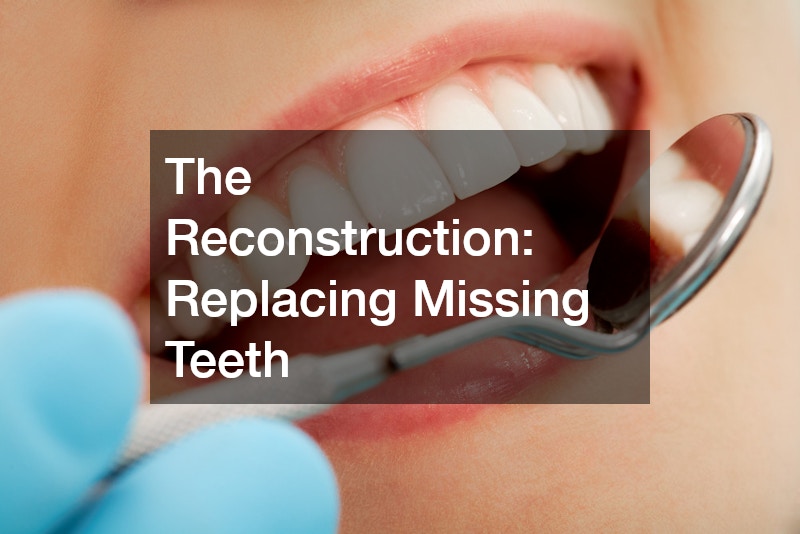
A missing tooth is a dental emergency. When you lose a tooth, the jawbone in that area begins to atrophy (shrink) because it is no longer being stimulated by chewing forces. This can lead to a sunken facial appearance and the shifting of surrounding teeth.
Dental Bridges: Bridging the Gap
For decades, the standard solution for a missing tooth was a bridge. As the name suggests, dental bridges span the gap created by one or more missing teeth.
A bridge is made up of two or more crowns for the teeth on either side of the gap (called abutment teeth) and a false tooth (pontic) in between.
-
The Pros: Bridges are fixed (non-removable), look natural, and the procedure is relatively fast (usually two visits).
-
The Cons: To place a bridge, the healthy neighboring teeth must be filed down to accept the crowns. This involves altering perfectly good tooth structure.
Dental Implants: The Gold Standard
Today, dental implants are widely considered the best option for replacing missing teeth because they are the only restoration that replaces the root of the tooth, not just the crown.
-
The Anatomy of an Implant:
-
The Implant: A titanium post is surgically placed into the jawbone. Titanium is biocompatible, meaning the bone actually grows around it and fuses to it (a process called osseointegration).
-
The Abutment: A connector piece placed on top of the implant.
-
The Crown: The custom-made porcelain tooth that sits on top.
-
-
Why Choose Implants? Unlike bridges, dental implants do not require damaging neighboring teeth. Furthermore, the titanium post stimulates the jawbone, preventing the bone loss that typically occurs after tooth extraction. With proper care, an implant can last a lifetime, making it a wise long-term investment in your health.
IV. The Aesthetics: Polishing the Look
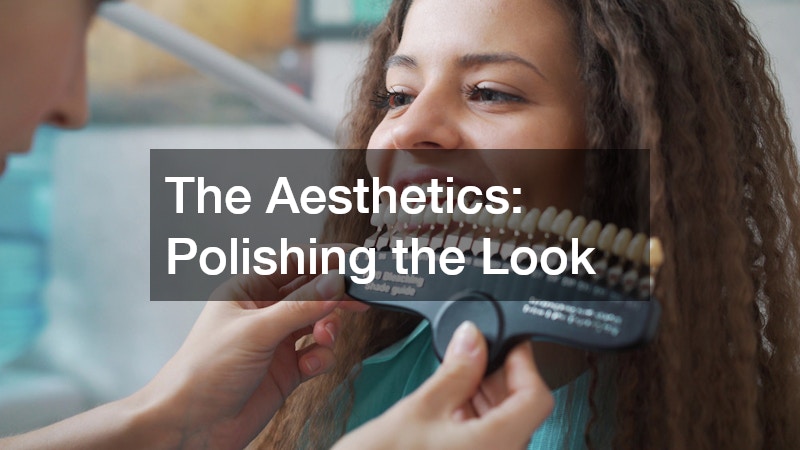
With the structure sound, the alignment straight, and any missing teeth replaced, we enter the realm of pure cosmetic enhancement. This is where your smile goes from “healthy” to “dazzling.”
Teeth Whitening: The Instant Glow Up
Teeth whitening is the most requested cosmetic dental procedure in the world, and for good reason. It is non-invasive, affordable, and offers immediate gratification.
Over time, our teeth naturally darken due to aging, coffee, tea, red wine, and tobacco.
-
Professional vs. Store-Bought: While pharmacy aisles are full of whitening strips, professional teeth whitening supervised by a dentist is safer and more effective. Dentists use higher concentrations of hydrogen peroxide or carbamide peroxide that can penetrate the enamel to break up deep, intrinsic stains that surface strips can’t reach.
-
The Options: You can choose in-office whitening (like Zoom!) which uses a light-activated gel to whiten teeth up to 8 shades in a single hour, or professional take-home trays, which are custom-molded to your teeth for uniform results over a week or two.
Veneers: The Hollywood Secret
Have you ever looked at a celebrity and wondered how their teeth are so perfectly shaped, sized, and white? The answer is almost always veneers.
Veneers are wafer-thin shells of medical-grade porcelain that are bonded to the front surface of the teeth. They are the ultimate tool for a complete smile makeover.
-
What they Fix: Veneers are versatile. They can simultaneously fix chipped teeth, gaps between teeth, permanent discoloration (that whitening can’t fix), and misshapen or undersized teeth.
-
The Procedure: To place veneers, a tiny amount of enamel (usually less than a millimeter) is removed from the front of the tooth to make room for the porcelain shell. This ensures the veneer doesn’t look bulky.
-
The Result: Porcelain mimics the light-reflecting properties of natural teeth and is stain-resistant. This means your smile will stay bright white for 10 to 15 years with proper care.
V. The Finishing Touch: Facial Aesthetics
Modern dentistry realizes that a smile doesn’t exist in a vacuum. It is framed by your lips and your skin. If you have a beautiful set of veneers but are self-conscious about a “gummy smile” or deep frown lines around the mouth, the aesthetic result is incomplete.
Botox: Beyond Wrinkles
You might be surprised to see Botox on a list of dental treatments, but dentists are actually the ideal practitioners to administer it. They have extensive training in the anatomy of the face, the nerves, and the musculature of the head and neck.
-
Therapeutic Use: Dentists often use Botox to treat TMJ disorders and bruxism (teeth grinding). By injecting Botox into the masseter muscle (the large jaw muscle), the muscle relaxes, relieving jaw pain and preventing the patient from grinding their teeth down.
-
Aesthetic Use:
-
High Lip Lines: If you show too much gum tissue when you smile (a “gummy smile”), a small amount of Botox in the upper lip can relax the muscle so the lip doesn’t rise as high, framing your teeth perfectly.
-
Framing the Smile: Botox can smooth out marionette lines and smoker’s lines around the mouth, ensuring that the frame of your smile looks as youthful and rejuvenated as your teeth.
-
VI. The Blueprint: How Your Smile is Designed
One of the biggest anxieties patients have regarding cosmetic dentistry is the fear of the unknown. “What will I look like?” is a common question. Fortunately, modern technology has removed the guesswork from the process, allowing you to “test drive” your smile before any permanent changes are made.
A skilled cosmetic dentist utilizes Digital Smile Design (DSD). This involves taking high-resolution photos and videos of your face in motion—talking, smiling, and laughing. By analyzing the relationship between your teeth, eyes, and lips, the dentist can design a smile that fits your unique personality and facial features.
In many cases, your dentist can create a “wax-up” or a temporary mock-up. This is a temporary resin model of your new veneers or crowns that is placed over your existing teeth. You can look in the mirror, take selfies, and see exactly how the final result will impact your overall appearance. This collaborative process ensures that whether you are getting Invisalign to straighten teeth or a full set of veneers, the outcome is exactly what you envisioned.
VII. Protecting Your Investment: Maintenance and Longevity
Achieving your dream smile is an investment of time, emotion, and finances. Once you have completed your treatment, maintaining that smile is crucial to ensuring it lasts for decades.
While prosthetic solutions like veneers and dental crowns are immune to cavities, the tooth structure underneath and the surrounding gum tissue are not.
-
Hygiene is Key: You must continue to brush and floss diligently. If you have dental bridges, using specialized floss threaders or water flossers is essential to keep the area under the false tooth clean.
-
Guard Your Smile: If you have invested in veneers or extensive restorative work, your dentist will likely recommend a custom night guard. This simple device protects your porcelain restorations from chipping or cracking if you grind your teeth in your sleep.
-
Regular Visits: Routine checkups allow your dentist to monitor the integrity of your dental implants and the health of your gums. Professional cleanings are vital to prevent gum disease, which is the leading cause of implant failure.
By treating your new smile with care, procedures like implants can last a lifetime, and veneers can maintain their brilliance for 15 years or more.
Your Journey Starts Here
Designing your dream smile is a transformative journey that combines health, function, and beauty. It is rarely a single procedure, but rather a customized combination of treatments tailored to your specific needs.
Whether you need the structural support of dental crowns and dental implants, the alignment correction of Invisalign or braces, or the artistic touch of veneers and teeth whitening, the technology exists to give you the result you want. Even facial aesthetics like Botox play a crucial role in the final presentation, ensuring your smile is perfectly framed.
The most important step is the first one: finding a qualified cosmetic dentist who listens to your goals. They can evaluate your oral health and create a plan that incorporates the right mix of dental fillings, dental bridges, and cosmetic enhancements to change not just your smile, but your life. Don’t hide your smile any longer. Invest in yourself, and let the world see the real you.
 Temporary Crown Fell Off? Here Are Quick Steps to Fix It
  What to Do if Your Crown Falls Out: Guide for Permanent and Temporary Crowns
  10 Things Your Office Should Have to Get the Best Dental Reviews
  When to Visit an Emergency Dentist in Springfield MO for Immediate Dental Care
  The Dental Bone Grafting Process Explained