
Temporary Crown Fell Off? Here Are Quick Steps to Fix It
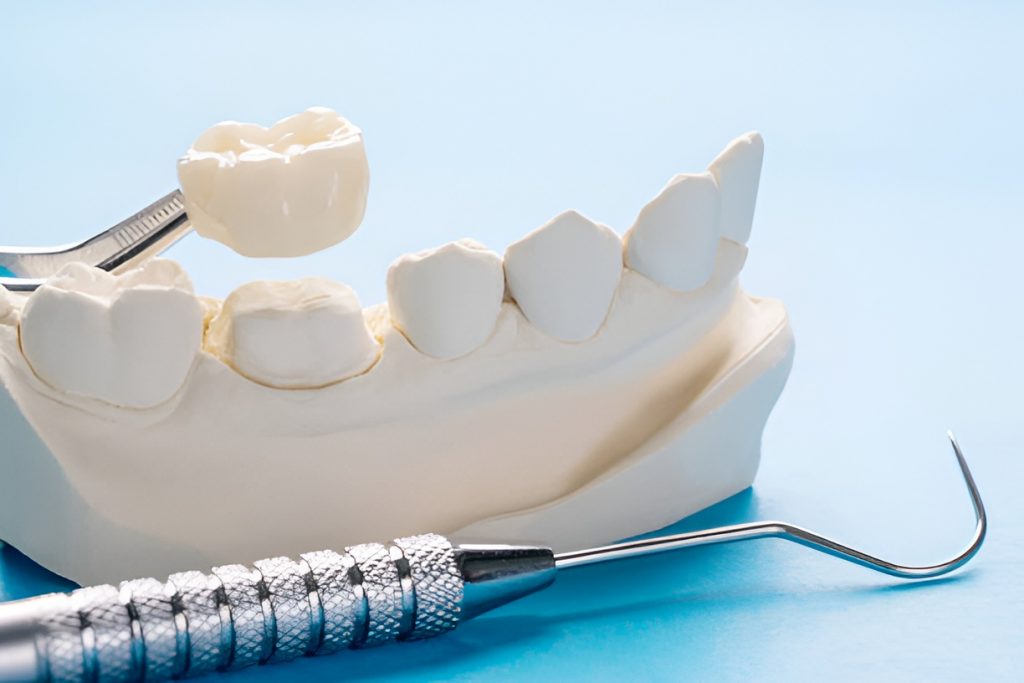
Highlights:
- Temporary crowns can fall off due to eating habits, trauma, or tooth decay.
- Retrieve the crown, rinse your mouth, and inspect the tooth and crown.
- Over-the-counter dental cement can temporarily reattach the crown.
- Avoid sticky or hard foods, and chew on the opposite side.
- Schedule a dental appointment to protect the tooth and place a permanent crown.
Dealing with a dental crown that suddenly falls out can be stressful. Whether it happens while eating, brushing, or seemingly out of nowhere, knowing how to respond quickly can save your tooth from damage and prevent discomfort. In this guide, we’ll walk you through practical steps to handle a temporary crown that’s come loose, including what to do at home and when to see your dentist.
Why Do Temporary Crowns Fall Off?
Temporary crowns aren’t meant to last forever. They’re designed to protect your tooth while your permanent crown is being made. Because they are held in place with temporary cement, they can loosen or fall out. Some common reasons include:
- Eating sticky or hard foods – Caramel, taffy, or hard nuts can dislodge a crown.
- Chewing on the wrong side – Using the crowned tooth for heavy chewing can put pressure on it.
- Tooth decay underneath – Decay or a poorly prepared tooth can prevent the crown from staying secure.
- Accidental trauma – Biting something hard or a sudden bump can loosen it.
Understanding why it fell off can help prevent the same thing from happening again.
Is It an Emergency if a Temporary Crown Falls Off?

Most of the time, a temporary crown falling off isn’t a dental emergency, but you should address it promptly. Leaving the tooth exposed can lead to:
- Sensitivity to hot, cold, or sweet foods
- Pain or discomfort while chewing
- Increased risk of tooth decay or infection
If you experience severe pain, swelling, or bleeding, contact your dentist immediately. Otherwise, following these steps can protect your tooth until your next dental appointment.
What to Do Immediately After Your Crown Falls Off
When your temporary crown comes off, acting quickly is key. Here’s what you should do:
- Retrieve the Crown – Find your crown and keep it safe. It may still be reusable.
- Rinse Your Mouth – Clean the exposed tooth gently with warm water to remove debris.
- Inspect the Crown – Check for damage. If it’s cracked or broken, you’ll need a replacement.
- Apply Temporary Cement (Optional) – Dental cement available at pharmacies can hold the crown in place temporarily.
Avoid using super glue or household adhesives—they’re unsafe for oral use.
How to Reattach a Temporary Crown at Home
If you have access to over-the-counter dental cement, you can attempt to reattach your crown until your dental appointment:
- Clean the Crown – Rinse the inside of the crown with warm water.
- Prepare the Cement – Follow the instructions on the package carefully.
- Apply Cement Sparingly – Too much can cause discomfort or push cement into your gum.
- Place the Crown – Gently press it onto the tooth and bite down lightly to ensure proper fit.
- Remove Excess Cement – Wipe away any extra to prevent gum irritation.
Remember, this is only a temporary solution. Schedule a visit with your dentist to secure a permanent crown.
Should You Avoid Certain Foods?
Yes. After a temporary crown falls off, it’s important to protect the tooth. Avoid:
- Sticky foods like caramel or gum
- Hard foods like nuts or ice
- Chewing on the side of the lost crown
Stick to soft foods and chew on the opposite side of your mouth to minimize pressure.
Can Pain Be Managed at Home?
Mild discomfort is common when a crown falls off. You can manage it with:
- Over-the-counter pain relievers (ibuprofen or acetaminophen)
- Cold compresses to reduce swelling
- Saltwater rinses to clean the area and reduce irritation
If pain becomes severe or persistent, contact your dentist immediately.
What About Sensitivity?
Exposed teeth can be sensitive to temperature or pressure. You can reduce sensitivity by:
- Using a toothpaste designed for sensitive teeth
- Avoiding very hot, cold, or sugary foods and drinks
- Keeping the tooth clean to prevent decay or infection
When Should You See Your Dentist?

Even if your temporary crown seems fine after reattachment, you should schedule a dental appointment. Your dentist will:
- Check the fit of the temporary crown
- Examine the underlying tooth for damage or decay
- Place your permanent crown if it’s ready
Ignoring a lost crown can lead to more serious dental issues down the line.
How to Prevent Future Crowns from Falling Off
While accidents happen, you can minimize the risk of a crown coming loose by following some simple tips:
- Avoiding sticky or hard foods
- Chewing carefully and not using teeth as tools
- Maintaining good oral hygiene to prevent decay
- Attending regular dental checkups
Temporary crowns are a short-term solution, so follow your dentist’s instructions closely. Knowing what to do if your crown falls out gives you a clear plan to protect your tooth and address the issue quickly, whether it’s a temporary or permanent crown
Final Thoughts
A temporary crown falling off can be inconvenient and alarming, but it’s usually manageable with the right steps. Acting quickly to protect the exposed tooth, reattaching the crown if possible, and following up with your dentist will help prevent pain, sensitivity, and further damage. By understanding why crowns fall off and taking proper care, you can keep your smile healthy and your permanent crown on track.
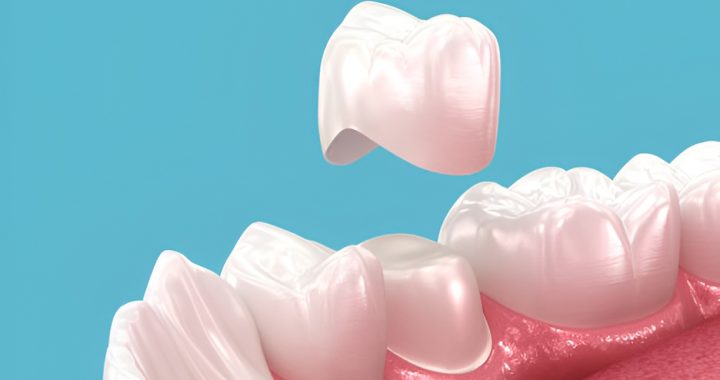 What to Do if Your Crown Falls Out: Guide for Permanent and Temporary Crowns
  Designing Your Dream Smile: A Comprehensive Look at the Best Dental Treatments
  10 Things Your Office Should Have to Get the Best Dental Reviews
  When to Visit an Emergency Dentist in Springfield MO for Immediate Dental Care
 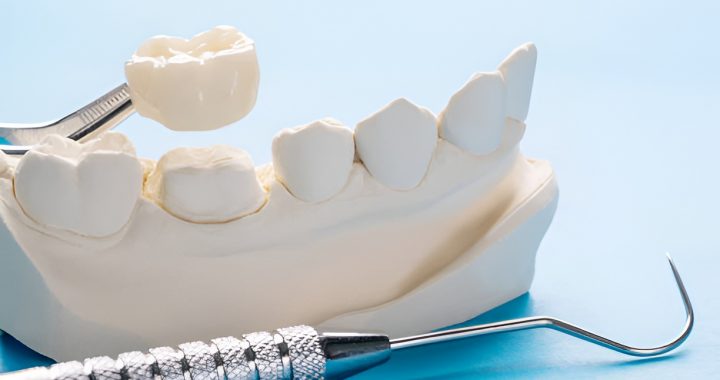 Temporary Crown Fell Off? Here Are Quick Steps to Fix It
  The Dental Bone Grafting Process Explained