
When to Visit an Emergency Dentist in Springfield MO for Immediate Dental Care
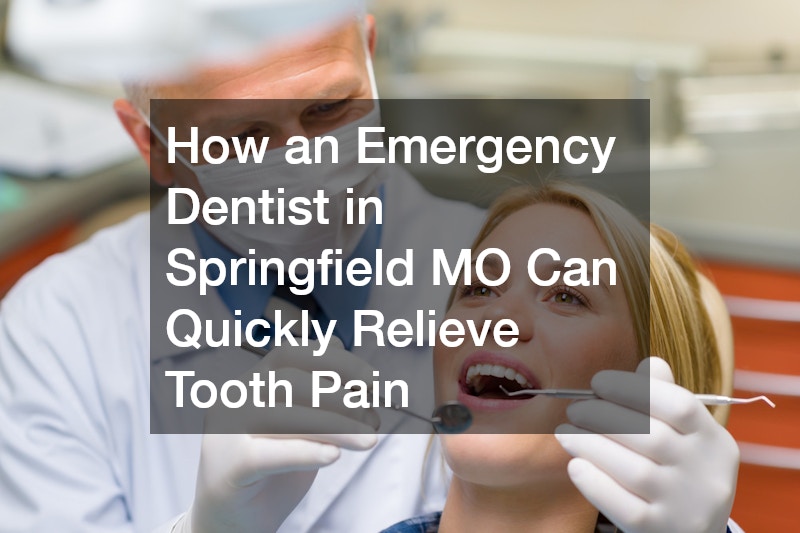
Dental problems can happen suddenly, often when you least expect them. Severe tooth pain, broken teeth, or oral injuries may require immediate care to prevent further damage. In these situations, visiting an emergency dentist in Springfield MO can help you receive fast treatment and relief. Emergency dental services are designed to address urgent oral health issues, reduce pain, and protect your teeth from long-term complications. Knowing where to go during a dental emergency can make a big difference in saving your tooth and restoring your smile.
What Is a Dental Emergency?
A dental emergency is any oral health issue that requires immediate attention from a dental professional. These problems often involve severe pain, bleeding, infection, or damage to the teeth or gums.
Emergency dentists are trained to diagnose and treat urgent dental conditions quickly. Their goal is to relieve discomfort, prevent the problem from getting worse, and restore the health of your teeth and gums.
Common Types of Dental Emergencies
Dental emergencies can take many forms. Understanding the most common ones can help you recognize when it’s time to seek urgent care.
Severe Toothache
Persistent or intense tooth pain may indicate deep decay, infection, or nerve damage. An emergency dentist can identify the cause and provide immediate treatment.
Broken or Cracked Teeth
Teeth can crack or break due to accidents, sports injuries, or biting down on hard foods. Immediate care helps prevent further damage and infection.
Knocked-Out Tooth
If a tooth is knocked out due to trauma, quick action is critical. In some cases, the dentist may be able to reattach the tooth if you receive treatment right away.
Lost Filling or Crown
A missing filling or crown exposes the tooth and can lead to sensitivity or further damage. Emergency treatment helps restore the tooth and protect it from decay.
Dental Abscess or Infection
A dental abscess is a serious infection that can cause swelling, pain, and fever. Immediate dental care is necessary to stop the infection from spreading.
Why Immediate Treatment Is Important
Ignoring a dental emergency can lead to more severe problems and may require more extensive treatment later.
Prevents Further Damage
Early treatment helps stop the problem from worsening and protects surrounding teeth and tissues.
Provides Fast Pain Relief
Emergency dentists focus on quickly identifying the cause of pain and providing treatment to relieve it.
Protects Overall Health
Oral infections can spread to other areas of the body if left untreated. Prompt dental care helps prevent serious health risks.
What to Do During a Dental Emergency
Taking the right steps before reaching the dentist can improve the chances of saving your tooth and reducing pain.
For a Knocked-Out Tooth
If a tooth is knocked out, handle it carefully by the crown rather than the root. Rinse it gently with water if it is dirty. Try placing it back in the socket if possible, or store it in milk until you can see the dentist.
For a Broken Tooth
Rinse your mouth with warm water and apply a cold compress to reduce swelling. If possible, save any broken pieces and bring them with you to the dental appointment.
For Severe Tooth Pain
Rinse your mouth with warm salt water and use a cold compress on the outside of your cheek to reduce swelling until you can see the dentist.
For a Lost Crown or Filling
Avoid chewing on the affected side and keep the area clean until the dentist can repair the tooth.
Treatments Provided by an Emergency Dentist
An emergency dentist in Springfield MO can perform several procedures to treat urgent dental problems.
Root Canal Treatment
If a tooth infection is causing severe pain, a root canal may be performed to remove infected tissue and save the tooth.
Dental Crowns
Crowns are often used to restore cracked or damaged teeth and protect them from further injury.
Tooth Extractions
If a tooth is too damaged to be saved, the dentist may recommend removing it to prevent infection and protect surrounding teeth.
Repairing Fillings or Restorations
Lost fillings or crowns can often be replaced or repaired during an emergency visit.
Preventing Dental Emergencies
While some dental emergencies are unavoidable, there are ways to reduce the risk.
Maintain Good Oral Hygiene
Brushing twice a day and flossing daily helps prevent tooth decay and gum disease.
Schedule Regular Dental Checkups
Routine dental visits allow dentists to detect and treat small issues before they become serious problems.
Wear a Mouthguard for Sports
If you play sports, wearing a mouthguard can protect your teeth from injuries.
Avoid Hard Foods and Objects
Chewing ice, hard candy, or non-food objects can crack or damage teeth.
Finding a Reliable Emergency Dentist
Choosing a dental office that offers emergency services ensures you have access to immediate care when needed. Many dental clinics in Springfield provide same-day appointments and modern diagnostic tools to treat urgent dental problems quickly.
Reading reviews, checking office hours, and knowing the location of a trusted dental clinic can help you feel prepared in case of a dental emergency.
Final Thoughts
Dental emergencies can be stressful and painful, but fast treatment can protect your teeth and overall health. Visiting an emergency dentist in Springfield MO ensures that you receive prompt care when unexpected dental problems arise. Whether you are dealing with severe tooth pain, a broken tooth, or a dental infection, an emergency dentist in Springfield MO can provide the treatment needed to restore comfort and keep your smile healthy.
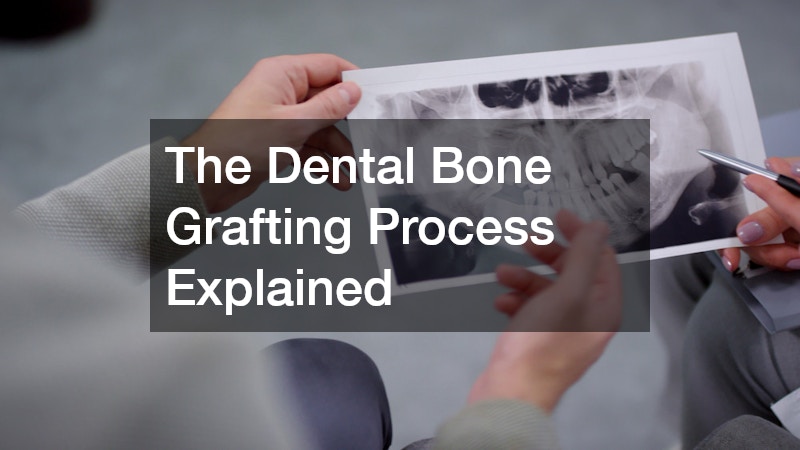 The Dental Bone Grafting Process Explained
  How to Prepare for Visits to Your Family Dentists
  Are Braces the Right Orthodontic Path for You?
  Everything You Need to Know About Dental Crowns for a Strong, Healthy Smile
  Upgrading Dental Offices: Flooring, HVAC, Doors, and More
  What to Know about the Braces Process
  When to Visit an Emergency Dentist in Springfield MO for Immediate Dental Care
  Temporary Crown Fell Off? Here Are Quick Steps to Fix It
  What to Do if Your Crown Falls Out: Guide for Permanent and Temporary Crowns