
How to Keep Your Teeth Looking Their Best
A healthy, radiant smile is about more than just aesthetics—it reflects your overall well-being and can impact your confidence, social interactions, and even professional opportunities. Maintaining your teeth requires a combination of good daily habits, professional care, and knowledge of available treatments that can restore or enhance your smile. While there’s no one-size-fits-all approach, understanding actionable strategies for oral care can help you keep your teeth strong, white, and healthy for years to come.
In this guide, we’ll explore practical tips for daily routines, professional care, cosmetic enhancements, preventive strategies, and emergency management, helping you achieve and maintain your best smile.
Building a Daily Oral Care Routine
Maintaining a daily oral care routine is the foundation of a healthy smile. Simple habits, when practiced consistently, can prevent tooth decay, gum disease, and discoloration. The key is not just frequency but also technique and attention to detail. Brushing, flossing, and using mouthwash work together to keep teeth clean, gums healthy, and breath fresh.
Brush at least twice a day using a soft-bristled toothbrush and fluoride toothpaste. Pay attention to the angle of your brush—position it at 45 degrees toward the gum line to remove plaque effectively. Use gentle circular motions to clean all surfaces of your teeth, especially the back molars where plaque tends to accumulate. Avoid harsh scrubbing, which can erode enamel and cause gum irritation. Replace your toothbrush every three to four months, or sooner if bristles become frayed.
Floss daily to remove plaque and food particles that your toothbrush can’t reach. Proper flossing reduces the risk of cavities between teeth and helps prevent gum disease. Start with about 18 inches of floss, gently guiding it between each tooth in a C-shape motion. Don’t rush—take the time to cover every gap and along the gum line.
Consider a therapeutic mouthwash to reduce bacteria and strengthen enamel. Mouthwash can reach areas that brushing and flossing may miss, providing an extra layer of protection and reducing bad breath. Look for products with fluoride or antibacterial properties to enhance their effectiveness.
Regular guidance from dentists can help you identify areas that need extra attention, while pediatric dentists are essential for instilling good habits in children early on. Teaching kids proper brushing and flossing techniques can prevent dental problems from developing later in life. Encourage children to brush for two minutes, twice a day, and use fun, flavored toothpaste to make brushing enjoyable. Supervise flossing until children develop the dexterity to do it themselves.
Beyond the basics, consider small daily habits that support oral health: rinsing with water after meals, limiting sugary snacks, and chewing sugar-free gum to stimulate saliva production. Following these routines consistently lays the groundwork for a long-lasting, healthy smile, protecting not just your teeth but your overall oral wellness.
Professional Cleanings and Checkups
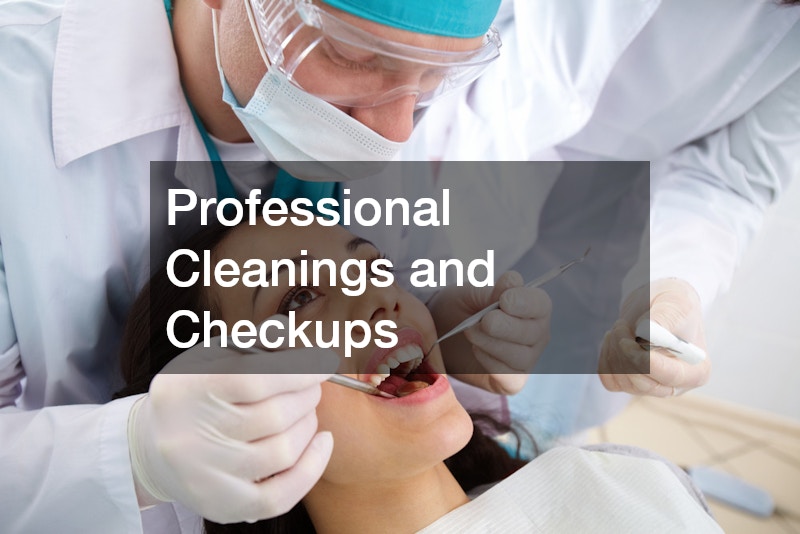
No matter how meticulous your daily routine is, professional care is essential for maintaining optimal oral health. Regular visits to a dental clinic allow for early detection of problems and help keep your teeth in top condition. While brushing and flossing at home remove much of the plaque and debris, certain areas are difficult to reach, and hardened tartar can only be removed professionally.
During a professional dental cleaning, hygienists carefully remove plaque and tartar buildup from all surfaces of your teeth, including under the gum line, where bacteria can accumulate and cause periodontal disease. Cleanings also polish the teeth, removing surface stains and leaving your smile bright and smooth. In addition, hygienists check for early signs of cavities, gum inflammation, or other oral health issues that may require treatment before they worsen.
To maintain optimal dental health, schedule dental cleaning sessions at least every six months. Depending on your oral health, your dentist may recommend more frequent visits. Ask your dental clinic about fluoride treatments or dental sealants for extra protection against cavities, especially if you have a history of tooth decay.
Regular checkups are not just for cleaning—they also include comprehensive examinations. Dentists use these visits to assess bite alignment, check for early signs of oral cancer, and evaluate the health of previous restorations like crowns or fillings. Keeping up with these appointments ensures small issues are addressed before they become costly or painful problems.
By following a schedule recommended by your dentist and staying consistent with professional cleanings, you can maintain healthy gums, prevent cavities, and enjoy a polished, confident smile. Routine checkups are a critical investment in long-term oral health and overall wellness.
Enhancing Your Smile with Cosmetic Solutions
Sometimes, even with excellent hygiene, teeth can become discolored, worn, or misaligned due to factors such as aging, diet, trauma, or genetics. Cosmetic dentistry offers a range of solutions that restore the natural beauty of your smile while improving function and confidence.
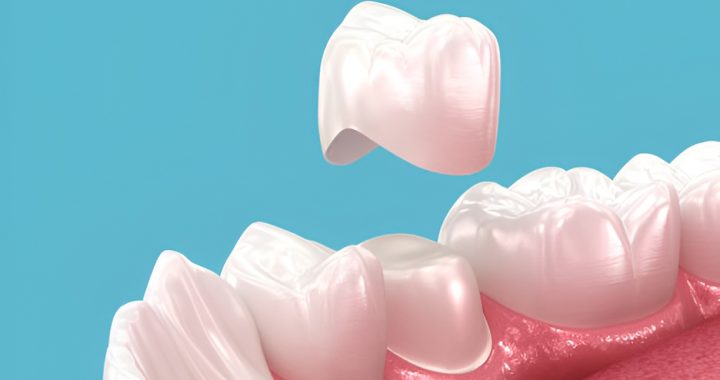
Dental crowns are a versatile option for repairing damaged or decayed teeth. They cover and protect teeth that have been weakened by cavities, fractures, or root canals, restoring both strength and appearance. Crowns are custom-made to match the color, shape, and size of surrounding teeth, ensuring a seamless, natural look. They are durable, often lasting 10-15 years with proper care, and provide a functional surface for chewing and speaking.
- Crowns can be used for teeth that are broken, worn, or weakened.
- They offer long-lasting protection while preserving a natural appearance.
- Proper maintenance, including regular dental checkups and good oral hygiene, extends their lifespan.
Cosmetic dentistry also includes procedures like teeth whitening, veneers, and bonding, which enhance the brightness, symmetry, and overall aesthetics of your smile. Teeth whitening is an effective way to remove stains caused by coffee, tea, wine, or smoking, providing a quick and noticeable improvement. Veneers, thin porcelain shells applied to the front surface of teeth, can correct minor misalignment, chips, discoloration, and gaps. Bonding uses tooth-colored resin to repair small imperfections and reshape teeth for a more uniform appearance.
When combining crowns with other cosmetic treatments, patients can achieve a balanced, natural smile that is both strong and visually appealing. Consulting with your dentist helps determine the best combination of procedures for your oral health, lifestyle, and aesthetic goals. By investing in cosmetic solutions, you can restore confidence in your smile while maintaining the health and function of your teeth.
Correcting Misalignment and Bite Issues
Misaligned teeth and bite problems can affect not only aesthetics but also oral health. Crooked teeth or bite issues, such as overbite, underbite, or crossbite, can lead to uneven wear on teeth, gum irritation, and difficulty cleaning hard-to-reach areas. Over time, these problems may contribute to tooth decay, jaw pain, and even temporomandibular joint (TMJ) disorders. Corrective options are designed to improve both the function and appearance of your teeth, allowing you to maintain a healthier, more confident smile.
Clear aligners are a modern, discreet alternative to traditional braces. These removable trays gradually shift teeth into proper alignment without the metal brackets and wires of conventional orthodontics. They are particularly effective for mild to moderate alignment issues and offer the convenience of being removable for meals, brushing, and flossing.
- Wear aligners as instructed, typically 20–22 hours per day, for the best results.
- Change aligners according to the treatment plan to ensure steady, gradual movement.
- Clean aligners daily with a soft brush and mild soap or a specialized cleaning solution to prevent bacteria buildup.
For individuals with missing teeth, dental implants provide a permanent solution that closely mimics natural teeth. Implants restore proper chewing function, maintain jawbone density, and prevent neighboring teeth from shifting out of place.
- Dental implants require careful assessment to determine the ideal size, location, and angle for placement.
- Following post-surgery care instructions, such as avoiding hard foods and maintaining excellent oral hygiene, is essential for optimal healing.
By combining clear aligners for alignment and dental implants for tooth replacement, patients can achieve a smile that is both visually appealing and functionally strong. These solutions not only enhance your appearance but also support long-term oral health by making teeth easier to clean, improving bite mechanics, and reducing the risk of future dental problems. Consulting with a dentist ensures that the chosen corrective approach is tailored to your unique dental needs.
Managing Emergencies and Unexpected Issues
Even with diligent daily care and regular professional checkups, dental emergencies can still happen. Accidents, sudden trauma, or unexpected tooth pain can strike at any time. Knowing how to respond quickly and effectively can minimize damage, reduce discomfort, and even save teeth that might otherwise be lost.
Emergency dentists are specially trained to handle urgent dental situations, including knocked-out teeth, severe tooth pain, fractured teeth, or broken crowns. Prompt action is critical, as delays can make treatment more complicated or less effective.
- If a tooth is knocked out, try to keep it moist by placing it in milk, saline solution, or simply between your cheek and gums while seeking immediate care from an emergency dentist. Avoid touching the root to preserve cells that help reattach the tooth.
- For sudden, severe pain caused by cavities, infection, or trauma, rinse your mouth with warm salt water to clean the area and reduce discomfort. Avoid chewing on the affected side and schedule a visit to a dentist as soon as possible.
- Broken or loose dental crowns or fillings should be temporarily secured with dental cement or wax to prevent further damage until professional treatment can be obtained.
Being prepared for emergencies also includes keeping a small dental first-aid kit at home, which may include gauze, temporary dental cement, and gloves. Consulting a dentist quickly not only addresses immediate pain but also prevents long-term problems, such as infection, misalignment, or jaw complications. By understanding emergency procedures and having access to qualified dental care, you can protect your teeth and maintain oral health even after unexpected incidents.
Solutions for Missing or Damaged Teeth
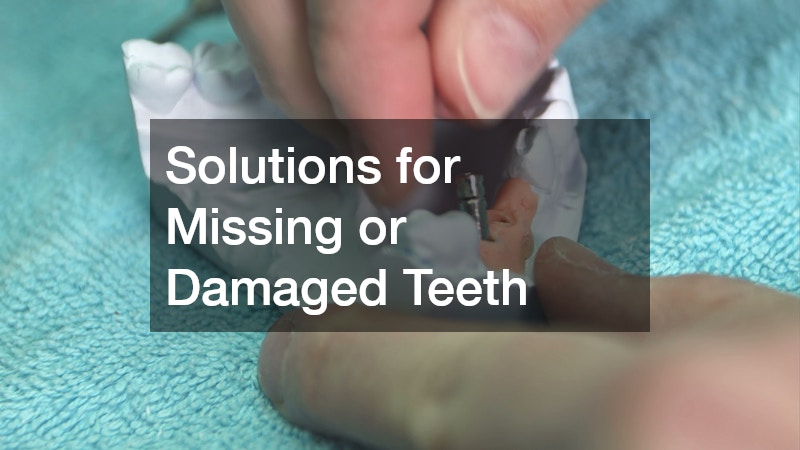
Missing or damaged teeth can affect not only your ability to chew and speak but also your confidence and overall oral health. When teeth are lost or severely damaged, surrounding teeth may shift, leading to bite problems, uneven wear, and increased risk of gum disease. Fortunately, multiple restorative options are available to restore both function and aesthetics, allowing patients to regain a natural, healthy smile.
Denture services provide removable solutions for partial or full tooth loss. Modern dentures are designed to fit comfortably while looking as natural as possible. Advances in materials and customization have made dentures lighter, more secure, and more aesthetically pleasing than ever.
- Schedule regular dental visits to ensure the fit of your dentures remains comfortable and effective.
- Clean dentures daily with a non-abrasive cleaner to prevent bacteria buildup and maintain oral hygiene.
- Avoid sleeping with dentures unless recommended by your dentist to reduce the risk of irritation or infection.
For patients seeking a more permanent solution, dental implants act as artificial roots topped with a crown. Implants are particularly effective for maintaining jawbone density, preventing bone loss, and supporting proper alignment of adjacent teeth.
- Implants can support individual crowns, bridges, or even full-arch restorations for multiple missing teeth.
- Maintaining excellent oral hygiene around implants, including brushing, flossing, and regular checkups, is essential for long-term success.
By combining denture services and dental implants, patients can choose the solution that best fits their lifestyle, comfort, and aesthetic goals. These restorative options not only improve functionality and appearance but also enhance overall oral health and quality of life.
Tips for Maintaining a Healthy Smile Long-Term
Long-term oral health is achieved through consistent habits, preventive care, and regular monitoring. Healthy lifestyle choices support the work of dental professionals and enhance results from cosmetic or restorative treatments.
- Eat a balanced diet rich in fruits, vegetables, and calcium to strengthen teeth.
- Avoid excessive sugar, acidic foods, and smoking, which contribute to decay and discoloration.
- Drink plenty of water to keep your mouth hydrated and help rinse away debris.
Regular visits to pediatric dentists and dentists are crucial for preventive care and early detection of issues. Even adults benefit from routine assessments, which help catch problems before they worsen.
- Schedule checkups at least twice a year.
- Discuss concerns about sensitivity, discoloration, or alignment with your dentist.
By combining lifestyle habits with professional guidance, you can preserve your smile’s health, functionality, and aesthetic appeal for decades.
Keeping your teeth looking their best is an ongoing process that combines daily care, professional maintenance, and informed choices about cosmetic and restorative options. By following structured oral hygiene routines, seeking professional advice, addressing alignment or restorative needs, and responding promptly to emergencies, you can maintain a strong, bright, and confident smile. A commitment to long-term dental health not only enhances appearance but also supports overall wellness, giving you a reason to smile with confidence every day.
 3 Dental Myths Your Local Dentist Wants You to Stop Believing
  How to Keep Your Teeth Looking Their Best
  When to Visit an Emergency Dentist in Springfield MO for Immediate Dental Care
 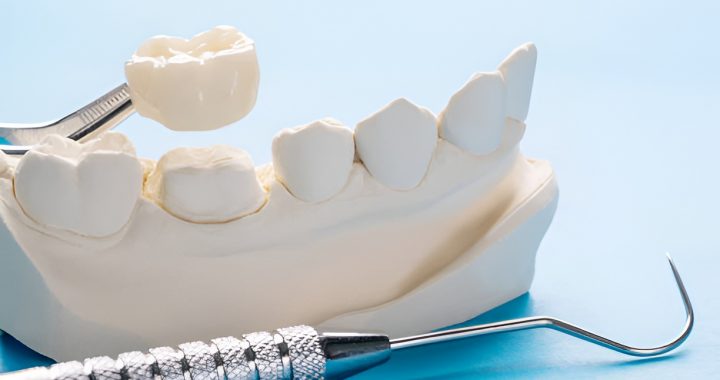 Temporary Crown Fell Off? Here Are Quick Steps to Fix It
  What to Do if Your Crown Falls Out: Guide for Permanent and Temporary Crowns