
What to Do if Your Crown Falls Out: Guide for Permanent and Temporary Crowns
Key Takeaways:
- Crowns can fall out due to decay, poor fit, trauma, wear, or cement failure.
- Early signs of a loose crown include sensitivity, pain, gaps, or movement.
- Temporary crowns are more prone to falling out than permanent crowns.
- Immediate steps include staying calm, finding the crown, cleaning it, protecting the tooth, and contacting your dentist.
- Temporary fixes like dental cement or sugar-free gum can help until professional care is available.
- Prompt dental care prevents complications such as infection, further tooth damage, or decay.
- Preventive habits like good oral hygiene, avoiding hard foods, wearing a nightguard, and regular dental check-ups reduce the risk of crown failure.
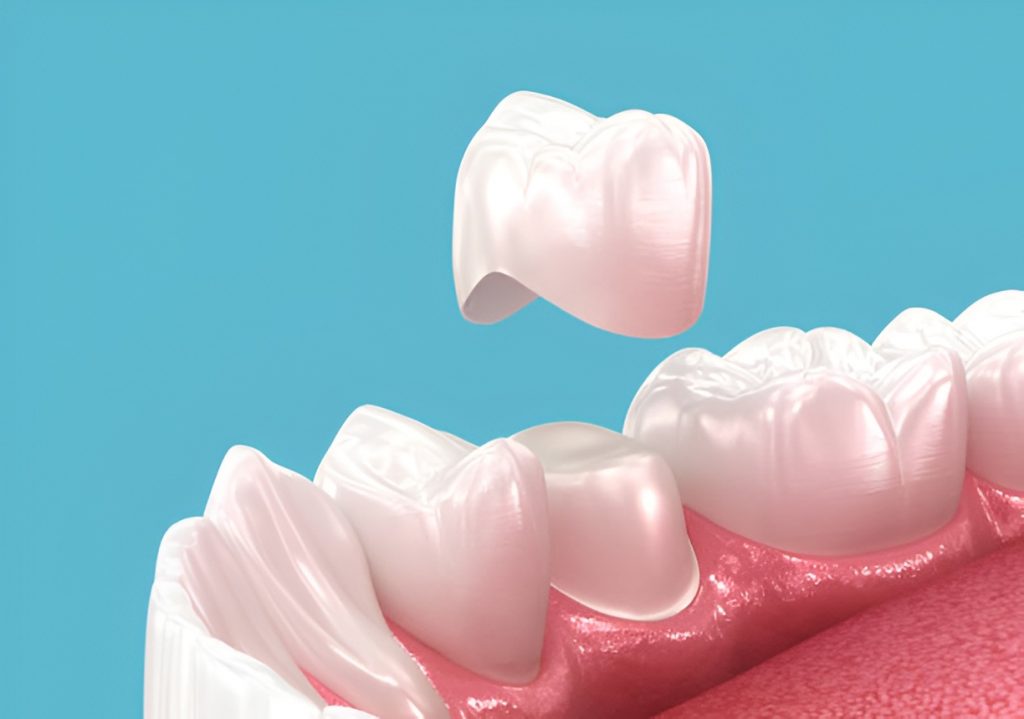
Dental crowns are a common solution for protecting damaged teeth, restoring their function, and improving appearance. But even the most durable crown can loosen or fall out, leaving you uncertain about what to do next. Whether your crown is permanent or temporary, taking the right steps immediately can save your tooth, prevent pain, and reduce the risk of further dental problems.
This guide will walk you through everything you need to know when a crown falls out, including temporary fixes, signs of issues, and when to see your dentist.
Why Do Crowns Fall Out?
Understanding why crowns fall out is crucial because it helps you prevent problems before they become serious. Crowns are designed to protect and restore teeth, but several factors can compromise their stability:
- Tooth decay under the crown: Even a well-placed crown cannot protect against decay completely. If the tooth beneath develops cavities, the crown may lose its grip. This can happen if oral hygiene slips, sugary foods are consumed frequently, or plaque builds up along the gumline. Untreated decay can weaken the tooth structure, making it impossible for the crown to stay attached.
- Poor fit or placement: Crowns must be precisely shaped and bonded to the tooth. If the crown was too tight, too loose, or slightly misaligned during placement, it can gradually loosen over time. This can also happen if the dentist didn’t fully remove old filling material or didn’t prep the tooth properly.
- Trauma or injury: A sudden impact, such as an accidental blow to the mouth, a fall, or biting down on hard foods like nuts or ice, can dislodge a crown. People who grind or clench their teeth at night (bruxism) are especially prone to crown loosening or damage.
- Wear and tear: Over time, crowns—especially older ones or those made from less durable materials—can wear down. Constant pressure from chewing or teeth grinding can weaken the crown’s cement bond. Eventually, the crown may become loose or fall out entirely.
- Dental cement failure: The bonding cement holding a crown in place can degrade over time. Factors like acidic foods, certain medications, or poor initial bonding can contribute to cement breakdown. Once the cement fails, even a perfectly fitting crown can come off.
How Can You Tell If Your Crown Is Loose?
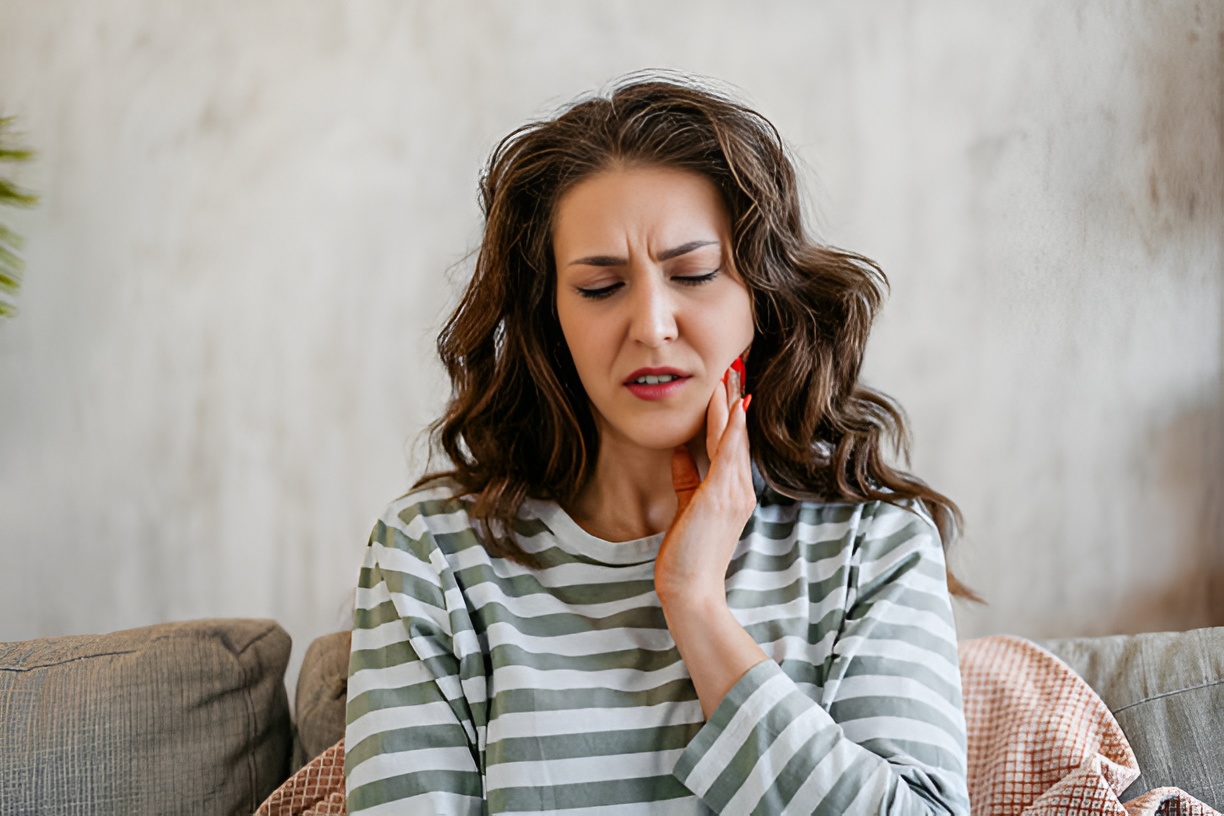
Before a crown fully falls out, it often gives warning signs. Recognizing these early can save your tooth and prevent pain or infection:
- Sensitivity to hot, cold, or sweet foods: If the underlying tooth is exposed or the crown is loosening, temperature changes or sugary foods can cause discomfort.
- A noticeable gap between the crown and surrounding teeth: You may feel a space where the crown used to sit snugly. This can trap food particles and increase decay risk.
- Pain when biting down: A loose crown can shift under pressure, causing discomfort or sharp pain while chewing.
- Movement or wobbling of the crown: Gently push on the crown with your tongue or finger; if it rocks or feels unstable, it’s likely loose.
If you notice any of these signs, contact your dentist promptly. Acting early can prevent the crown from falling out completely and avoid further dental complications.
What to Do Immediately After Your Crown Falls Out
Taking the right steps immediately after a crown falls out can protect your tooth and reduce complications:
- Stay calm: Losing a crown can be alarming, but panicking won’t help. Staying calm allows you to act quickly and carefully.
- Find the crown: Locate the crown if possible and handle it gently. Avoid touching the side that comes in contact with your tooth to prevent contamination.
- Clean the crown and tooth: Rinse the crown with warm water to remove food debris. Gently brush the exposed tooth to clear plaque and prevent decay until you see a dentist.
- Protect the tooth: If the tooth is sensitive, apply a small amount of dental cement or temporary adhesive to hold the crown in place until your dental appointment.
- Avoid chewing on that side: Minimize pressure on the affected tooth to prevent further damage to the crown or underlying tooth.
- Call your dentist: Schedule an appointment as soon as possible, ideally within 24 hours. Prompt professional care is key to restoring the crown and protecting your tooth.
Temporary Crowns: What You Need to Know
Temporary crowns are placed after a tooth has been prepared for a permanent crown. They are meant to protect the tooth for a short period and are not as strong as permanent crowns. Because of this, temporary crowns are more prone to loosening or falling out.
What Causes Temporary Crowns to Fall Off?
- Weak temporary adhesive: The cement used for temporary crowns is designed for short-term use and can easily wash out or weaken.
- Eating sticky or hard foods: Foods like caramel, gum, or hard candy can pull a temporary crown off.
- Accidentally biting down unevenly: Uneven pressure while chewing can loosen the crown.
- Improper fit or tooth preparation: If the temporary crown doesn’t fully cover the tooth or is slightly misaligned, it may not stay in place.
Temporary Fixes at Home
If your temporary crown falls off, there are ways to protect the tooth until your dental appointment:
- Use dental cement or denture adhesive: Over-the-counter dental cement can temporarily secure the crown and protect the tooth. Follow package instructions carefully.
- Apply sugar-free gum cautiously: If you don’t have dental cement, a small piece of sugar-free gum can hold the crown in place temporarily. Avoid sticky or sugary gum, which can worsen the situation.
- Protect the exposed tooth: Keep the tooth clean and avoid chewing on that side to reduce discomfort and prevent further damage.
When to Call Your Dentist
Even if you successfully reattach the temporary crown, a dentist needs to examine it. Temporary crowns are not designed for long-term use, and a proper adjustment or replacement may be necessary to prevent future problems.
Permanent Crowns: Steps to Take When They Fall Out
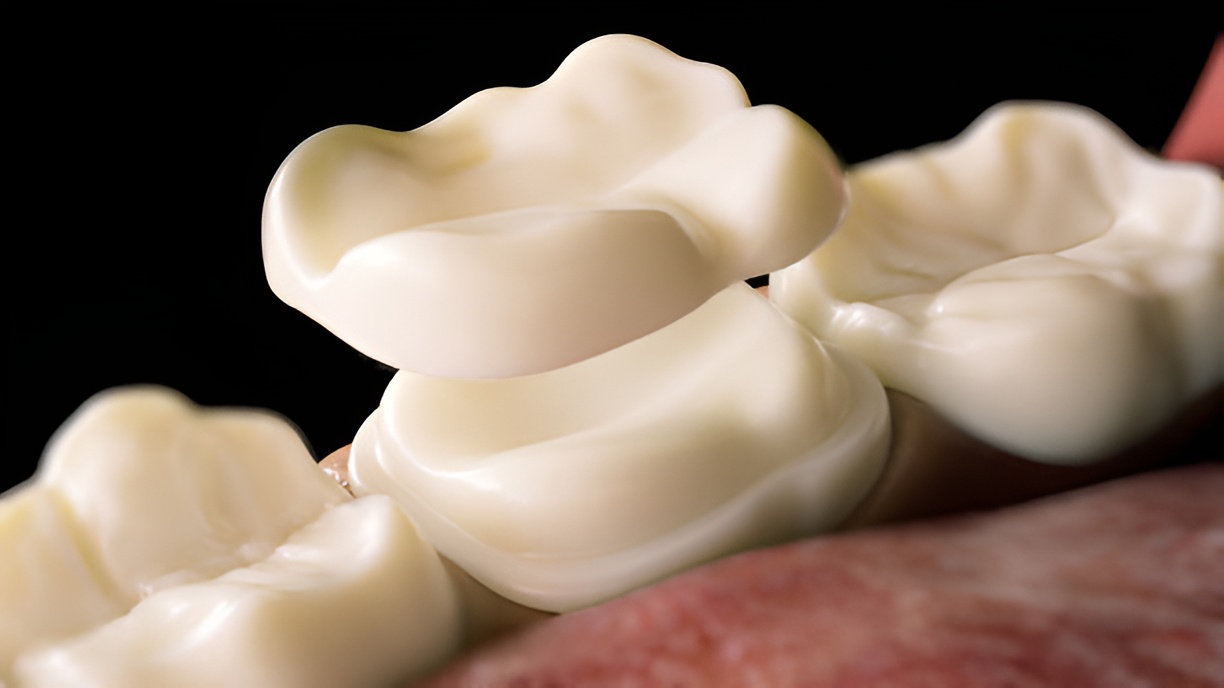
Permanent crowns are designed to last for many years, but they can occasionally loosen or fall off. Acting quickly can preserve the underlying tooth and prevent more extensive dental work.
Assessing the Situation
- Check the crown for cracks or damage: Even a small fracture can compromise the crown’s function.
- Examine the tooth: Look for decay, chips, or sharp edges that could damage surrounding teeth or gums.
- Note any pain or sensitivity: Discomfort may indicate infection or nerve issues that require prompt attention.
Temporary Measures
If your permanent crown comes off before your dentist visit:
- Keep the crown safe: Place it in a clean container to prevent damage or loss.
- Try temporary cement: Dental adhesive kits can temporarily secure the crown. This is not a permanent solution but helps protect the tooth until professional care.
- Avoid chewing on the affected tooth: Reduce pressure to prevent further damage to the tooth or crown.
Seeing the Dentist
A dentist can:
- Re-cement the original crown if it is intact
- Replace a damaged crown with a new one
- Treat underlying dental issues before placing a new crown, ensuring long-term success
Prompt professional care prevents complications such as infection, tooth decay, or further damage.
Preventing Crowns From Falling Out
Some factors causing crowns to fail are unavoidable, but several habits can reduce the risk:
- Practice good oral hygiene: Brush and floss daily, including around the crown, to prevent decay and maintain healthy gums.
- Avoid hard or sticky foods: Candy, ice, and very hard foods can dislodge crowns.
- Wear a nightguard if you grind teeth: Grinding or clenching can loosen or damage crowns over time.
- Regular dental check-ups: Routine visits help your dentist detect early issues with crowns before they become serious.
- Address dental problems promptly: If you notice sensitivity, gaps, or movement, don’t wait—contact your dentist to prevent crown loss.
Common Questions About Crowns Falling Out
Can I put the crown back in myself?
You can temporarily secure the crown with dental cement or denture adhesive, but do not try to permanently bond it yourself. Professional adjustment is necessary for a proper fit and to prevent damage.
Will my tooth be damaged if I wait to see a dentist?
Waiting too long can increase the risk of decay, infection, or damage to the tooth structure. Ideally, contact your dentist within 24 hours.
How long can a crown last after it falls out?
A properly re-cemented crown can last for many years if the underlying tooth and crown are intact. Temporary fixes at home should only be used for a few hours to a day before professional care.
Do permanent crowns fall out more often than temporary crowns?
No. Temporary crowns are much more likely to come loose because they are made of softer material and use weaker adhesive. Permanent crowns are designed for durability.
When to Seek Emergency Care
While most crown issues are not emergencies, see a dentist immediately if you experience:
- Severe pain or swelling
- Bleeding from the exposed tooth
- A crown that fell out and cannot be temporarily reattached
- Signs of infection such as fever or pus
Emergency care prevents complications and can save your tooth.
In Closing
Crowns, whether temporary or permanent, play a critical role in protecting your teeth and maintaining your smile. Understanding why crowns fall out, recognizing the warning signs, and knowing the steps to take immediately can prevent further damage and ensure the best outcome. Prompt professional care, combined with preventive habits like good oral hygiene and regular dental check-ups, keeps your crowns secure and your teeth healthy. Acting quickly when a crown falls out is the key to protecting both your tooth and your overall oral health.
 How Are Frenectomies Effective for Orthodontic Treatment
 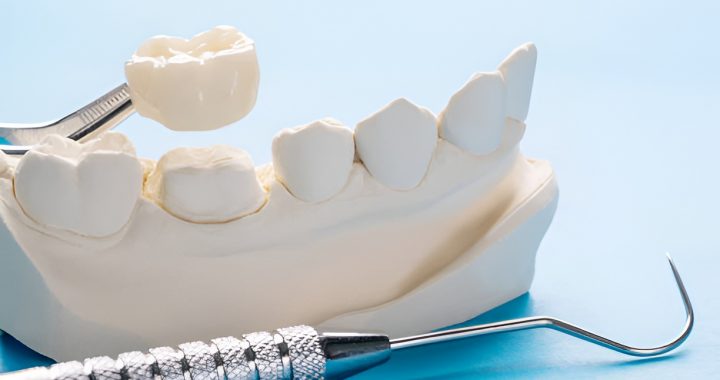 Temporary Crown Fell Off? Here Are Quick Steps to Fix It
  Designing Your Dream Smile: A Comprehensive Look at the Best Dental Treatments
  10 Things Your Office Should Have to Get the Best Dental Reviews
  4 Signs It Is Time to Switch to a Specialized Pediatric Dentist Office
  Understanding the Difference Between Popular Orthodontic Options
  How to Keep Your Teeth Looking Their Best