
Understanding the Difference Between Popular Orthodontic Options
Adults and teens looking to straighten their teeth now have more treatment choices than ever before. Traditional braces are no longer the only path to improving alignment, which has led many patients to explore removable orthodontic systems that offer greater flexibility and a less noticeable appearance.
Two terms that often create confusion are Invisalign and clear aligners. While many people use them interchangeably, they are not exactly the same thing.
Invisalign is one brand within the broader category of clear aligners, and understanding the distinction can help patients make more informed treatment decisions.
Clear Trays Have Changed Modern Orthodontics
Orthodontic treatment has evolved significantly in recent years. Removable systems now allow patients to straighten teeth without brackets and wires attached to the front of the teeth. These systems use a series of custom-made trays that gradually shift teeth into better alignment over time.
Clear aligners refer to the overall category of transparent orthodontic trays designed for this purpose. Multiple companies now offer aligner systems, each using different materials, technology, and treatment planning methods.
Invisalign is one of the most recognized brands within this category. It was among the first companies to popularize removable aligner treatment and remains widely used in dental offices today.
Because the brand became so well known, many patients refer to all aligner systems as Invisalign even when another provider or system is being used.
Treatment Planning May Differ Between Systems
One of the biggest differences between Invisalign and other clear aligners often comes down to treatment oversight and customization. Invisalign treatment is typically provided through licensed dental professionals who use advanced digital scanning technology and customized treatment planning software.
Some clear aligners are also professionally supervised, while others are offered through direct-to-consumer models that involve limited in-person evaluations. The level of professional monitoring can vary significantly depending on the provider and system selected.
For patients with more complex alignment concerns, ongoing supervision may play an important role in achieving safe and predictable results. Issues involving bite correction, crowding, or tooth rotation often require detailed treatment planning and periodic adjustments throughout the process.
Both Invisalign and other clear aligners rely on gradual tooth movement, but the level of customization and monitoring may differ based on the provider and treatment approach.
Material and Comfort Can Influence Patient Experience
Different aligner brands may use different materials, which can affect comfort, durability, and fit. Invisalign uses a proprietary material designed to fit closely against the teeth while applying controlled pressure during movement.
Some patients report differences in tray thickness, flexibility, or overall comfort when comparing brands. However, personal experience often varies depending on individual sensitivity and treatment complexity.
Clear aligners are generally considered more comfortable than traditional braces because they do not involve metal brackets or wires that may irritate the cheeks and gums. Since the trays are removable, patients can also continue brushing and flossing normally throughout treatment.
The ability to remove aligners during meals remains one of the most appealing features for many patients considering orthodontic treatment.
Appearance Plays a Major Role in Popularity
One reason removable orthodontic systems continue growing in popularity is their discreet appearance. Many adults and teens prefer treatment options that are less noticeable during work, school, or social situations.
Both Invisalign and other clear aligners are designed to blend naturally with the teeth due to their transparent material. While the trays are still visible at close range, they are typically much less noticeable than traditional braces.
Patients who feel self-conscious about orthodontic treatment often appreciate the lower-profile appearance that aligner systems provide.
Cost and Accessibility May Vary
Pricing for orthodontic treatment depends on several factors, including treatment length, case complexity, provider experience, and geographic location. Invisalign treatment supervised by a dental professional may sometimes cost more than certain direct-to-consumer clear aligners due to the level of customization and in-office care involved.
However, cheaper treatment options are not always appropriate for every patient. More advanced alignment issues may require closer monitoring and professional oversight to avoid complications or incomplete results.
Patients considering clear aligners should evaluate more than just price alone. Understanding the level of support, follow-up care, and treatment planning involved can help ensure the chosen system fits both their needs and long-term oral health goals.
Long-Term Oral Health Still Matters
Straightening teeth is often associated with cosmetic improvement, but alignment also affects oral health and function. Crooked or crowded teeth may be more difficult to clean properly, increasing the risk of plaque buildup and gum issues over time.
Bite alignment can also influence chewing comfort and uneven tooth wear. Both Invisalign and other clear aligners aim to improve alignment gradually while supporting healthier oral function.
Consistency remains important regardless of which system is chosen. Aligners must be worn as directed to achieve the intended results.
Choosing the Right Orthodontic Path
Modern orthodontic care offers patients more flexibility than ever before. Understanding the distinction between Invisalign and clear aligners helps clarify what each option actually represents and how treatment experiences may differ.
For many patients, the best choice depends on treatment complexity, lifestyle preferences, and the level of professional guidance they want throughout the process. With proper planning and consistent care, both Invisalign and other clear aligners can help patients achieve healthier, more confident smiles over time.
 4 Signs It Is Time to Switch to a Specialized Pediatric Dentist Office
  When to Visit an Emergency Dentist in Springfield MO for Immediate Dental Care
 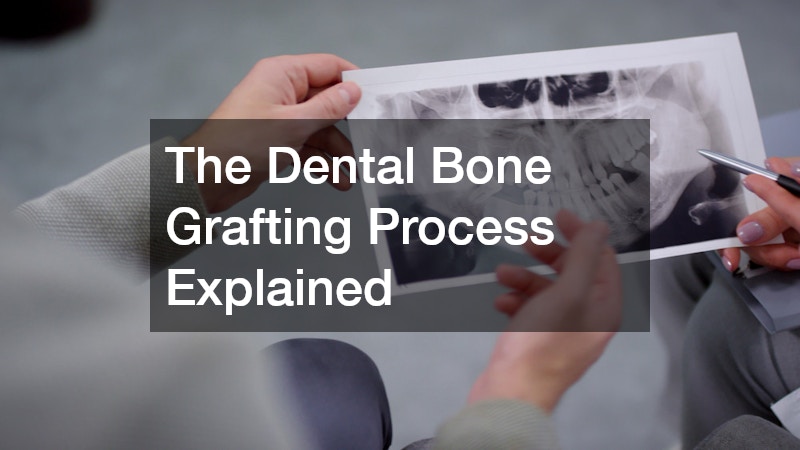 The Dental Bone Grafting Process Explained
  How to Prepare for Visits to Your Family Dentists
  Are Braces the Right Orthodontic Path for You?
  Everything You Need to Know About Dental Crowns for a Strong, Healthy Smile
  How Are Frenectomies Effective for Orthodontic Treatment
  Understanding the Difference Between Popular Orthodontic Options
  How to Keep Your Teeth Looking Their Best