
4 Signs It Is Time to Switch to a Specialized Pediatric Dentist Office
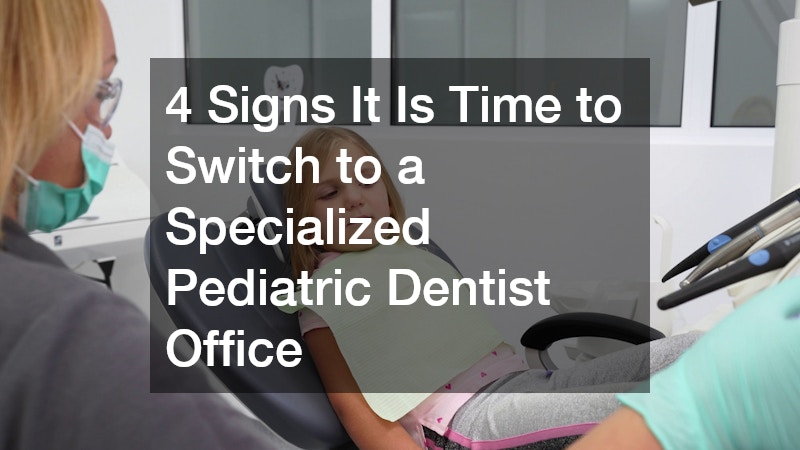
Taking care of your child’s dental health is an essential component of their overall wellness, yet finding the right dental provider can sometimes feel challenging for parents. While many families initially start by taking their children to a general family dentist out of convenience, an adult-focused environment does not always cater to the unique developmental, psychological, and physical needs of growing kids. When dental visits begin triggering tears, stress, or resistance, it often signals that your child needs a care setting tailored specifically for young patients. Transitioning your child to a specialized pediatric dentist office can make a remarkable difference in their attitude toward oral hygiene and ensure they receive optimal clinical care during their developmental years.
Your Child Experiences Severe Anxiety or Fear Before Appointments
Dental fear is common among young children, but when pre-appointment nervousness turns into overwhelming panic, sleepless nights, or meltdowns, standard dental settings can exacerbate the issue. General dental clinics often feature clinical, sterile environments with loud equipment, sharp instruments kept in plain sight, and neutral decor that can intimidate a young child.
If your current provider struggles to calm your anxious child or moves forward with procedures while your child is visibly distressed, it can create long-lasting dental trauma.
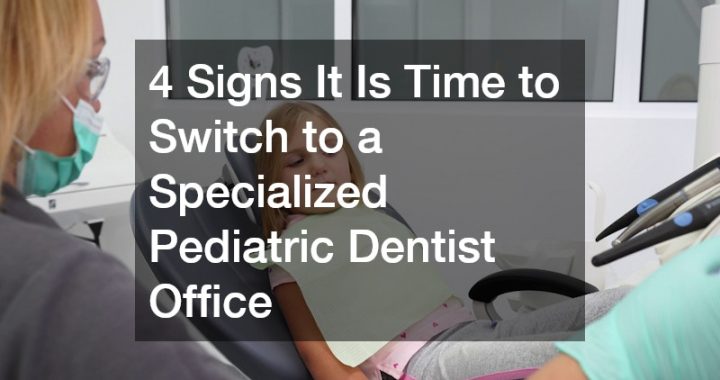
A specialized pediatric dentist office is purposefully built from the ground up to reduce fear and foster a welcoming, playful atmosphere. From bright wall murals, engaging waiting areas with toys and games, to ceiling-mounted televisions above treatment chairs, every visual element helps distract and comfort young patients. Furthermore, pediatric dentists undergo two to three years of advanced specialty training beyond standard dental school, focusing extensively on child psychology and behavioral management. They use gentle communication techniques like “tell-show-do”—explaining procedures in child-friendly language before demonstrating them—to empower young patients and ease their worries.
The Dental Team Lacks Specialized Tools for Small Mouths
Children are not simply miniature adults; their biological makeup, mouth size, and dental structures require specialized clinical approaches. Primary teeth (baby teeth) have thinner enamel and larger nerve chambers than adult teeth, meaning cavities can progress rapidly and require distinct treatment techniques. If your current dental clinic uses standard adult-sized mirrors, digital imaging sensors, or polishing heads, routine cleanings and examinations can feel uncomfortable or even painful for small mouths, causing children to gag or pull away.
By contrast, specialized pediatric practices are equipped with scaled-down instruments, smaller dental x-ray sensors, and specialized dental materials specifically suited for primary teeth. Pediatric dentists are experts in managing primary tooth restoration, space maintainers for prematurely lost baby teeth, and early interceptive orthodontics. Having access to appropriately sized equipment ensures that routine checkups and necessary treatments are completed swiftly, accurately, and with minimal discomfort for your little one.
Your Current Provider Struggles With Special Needs or Sensory Sensitivities
Children with sensory processing differences, autism spectrum disorder, ADHD, or physical disabilities often find traditional dental environments overwhelming. Bright fluorescent lights, the high-pitched hum of ultrasonic scalers, unfamiliar tastes, and touch sensitivities can quickly lead to sensory overload. If your current dental team appears untrained, impatient, or unprepared to adapt their routines to accommodate your child’s specific sensory or developmental needs, it is time to make a change.
Pediatric specialists receive extensive clinical training to care for children with diverse physical, behavioral, and developmental requirements. They offer sensory-friendly accommodations, such as dimmable lights, noise-canceling headphones, weighted blankets, and flexible pacing during appointments. Moreover, if complex dental work is required, a specialized team can offer safe, tailored sedation options—ranging from mild nitrous oxide (“laughing gas”) to board-certified pediatric anesthesia—ensuring your child receives complete care without experiencing distress or physical pain.
Your Child Has Unique Developmental or Structural Dental Needs
As children grow, their jaws rapidly expand, primary teeth loosen, and permanent teeth begin to erupt. This dynamic developmental phase requires vigilant monitoring for structural anomalies, such as severe thumb-sucking habits, tongue-ties, arch narrowness, or misaligned bites. General practitioners may not always detect subtle early developmental shifts that benefit from early intervention, or they may defer care until all permanent teeth arrive, potentially missing crucial preventive windows.
Pediatric dental professionals specialize exclusively in tracking pediatric jaw growth and dental eruption patterns. They can recommend non-invasive preventive measures, customized mouthguards for youth sports, fluoride treatments, and dental sealants designed to shield new permanent molars from decay. Establishing a long-term dental home at a specialized pediatric dentist office ensures that your child’s oral health is continuously monitored by experts who focus solely on pediatric development, laying a strong foundation for a lifetime of healthy smiles.
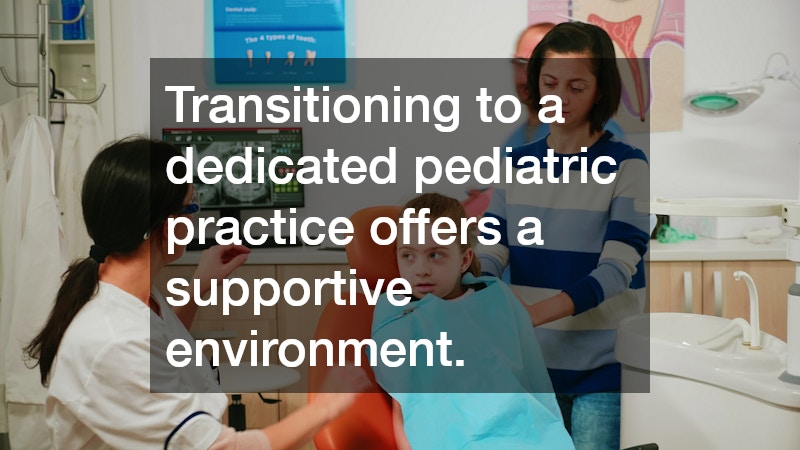
Choosing the right dental care environment plays a crucial role in shaping your child’s lifelong relationship with oral health. Recognizing signs of distress, physical discomfort, or unaddressed sensory needs allows you to make an informed decision for your family. Transitioning to a dedicated pediatric practice offers a supportive, child-focused environment where tailored equipment, behavioral expertise, and preventive care come together seamlessly. By making the switch, you give your child the gift of positive dental experiences, empowering them to maintain a bright, healthy smile with confidence for years to come.
 Understanding the Difference Between Popular Orthodontic Options
  When to Visit an Emergency Dentist in Springfield MO for Immediate Dental Care
 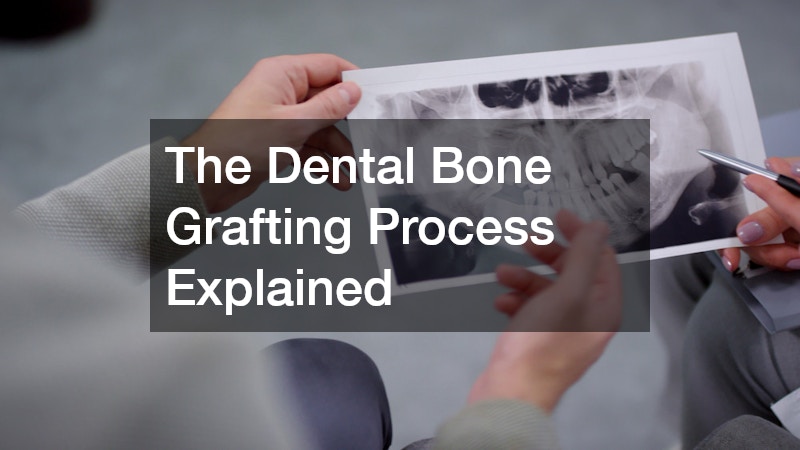 The Dental Bone Grafting Process Explained
  How to Prepare for Visits to Your Family Dentists
  Are Braces the Right Orthodontic Path for You?
  Everything You Need to Know About Dental Crowns for a Strong, Healthy Smile
  How Are Frenectomies Effective for Orthodontic Treatment
  4 Signs It Is Time to Switch to a Specialized Pediatric Dentist Office
  How to Keep Your Teeth Looking Their Best